9X - Grille
Evacuation. Resupply.
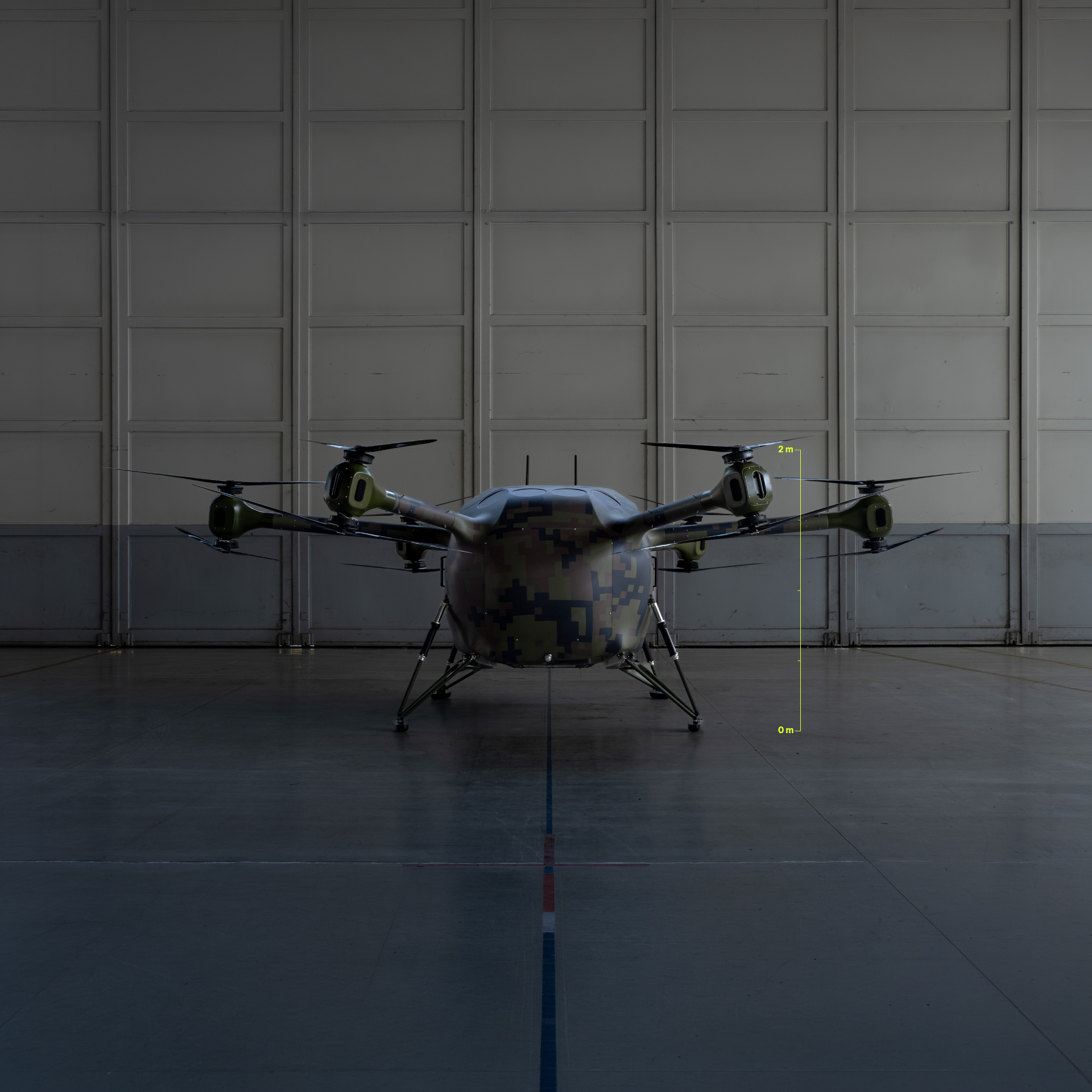
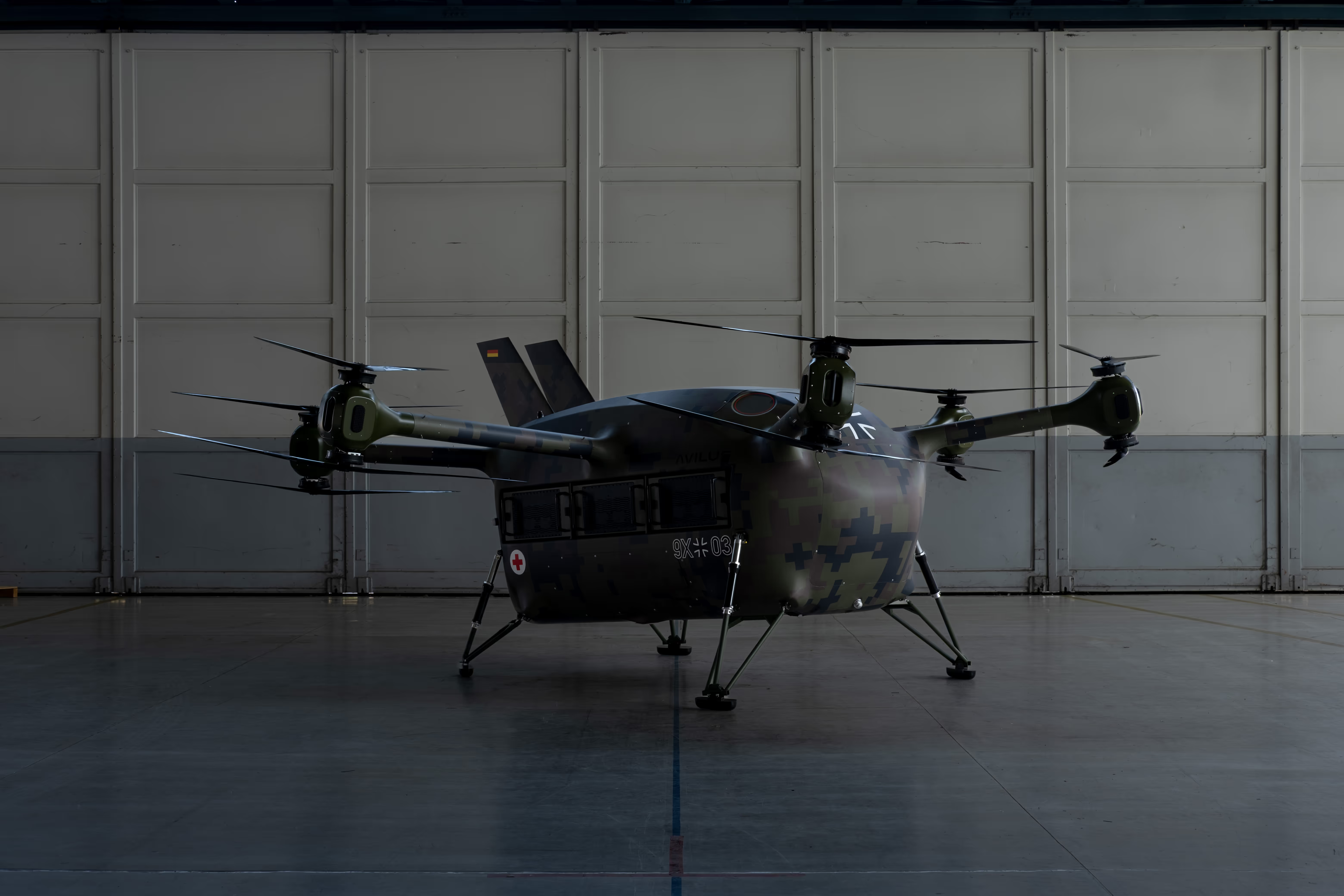
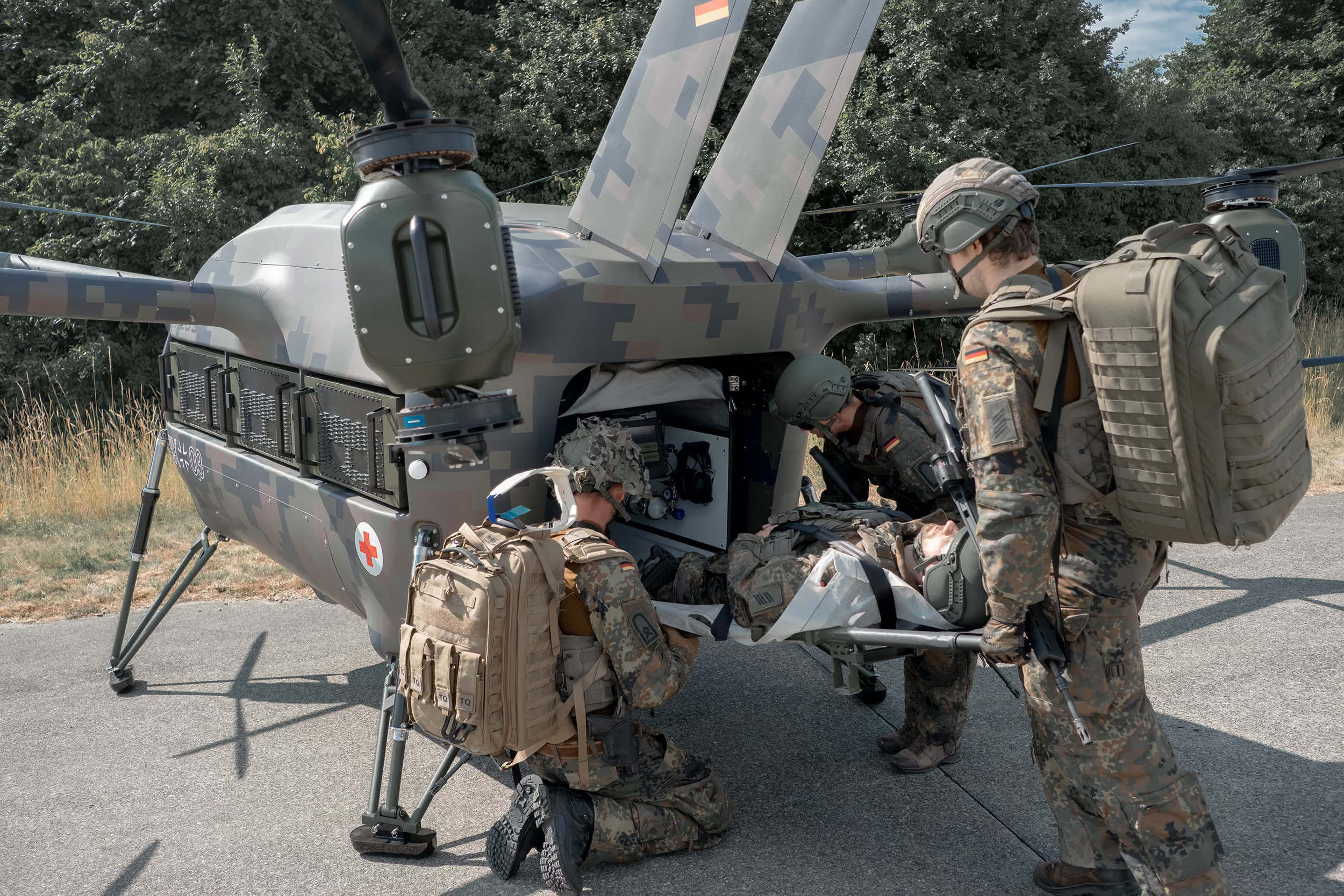
The outcome of an incident is often determined by the speed of the response. Grille was developed to deliver critical support when conventional transport is too slow, too dangerous or simply unavailable. As an all-electric and uncrewed aircraft, it enables autonomous evacuation, medical transport and resupply missions across defense, civil protection and humanitarian operations.







Rapid Deployment
Plug & Fly. Assembled by two operators in under 15 minutes. No special tools required.
Compact Footprint
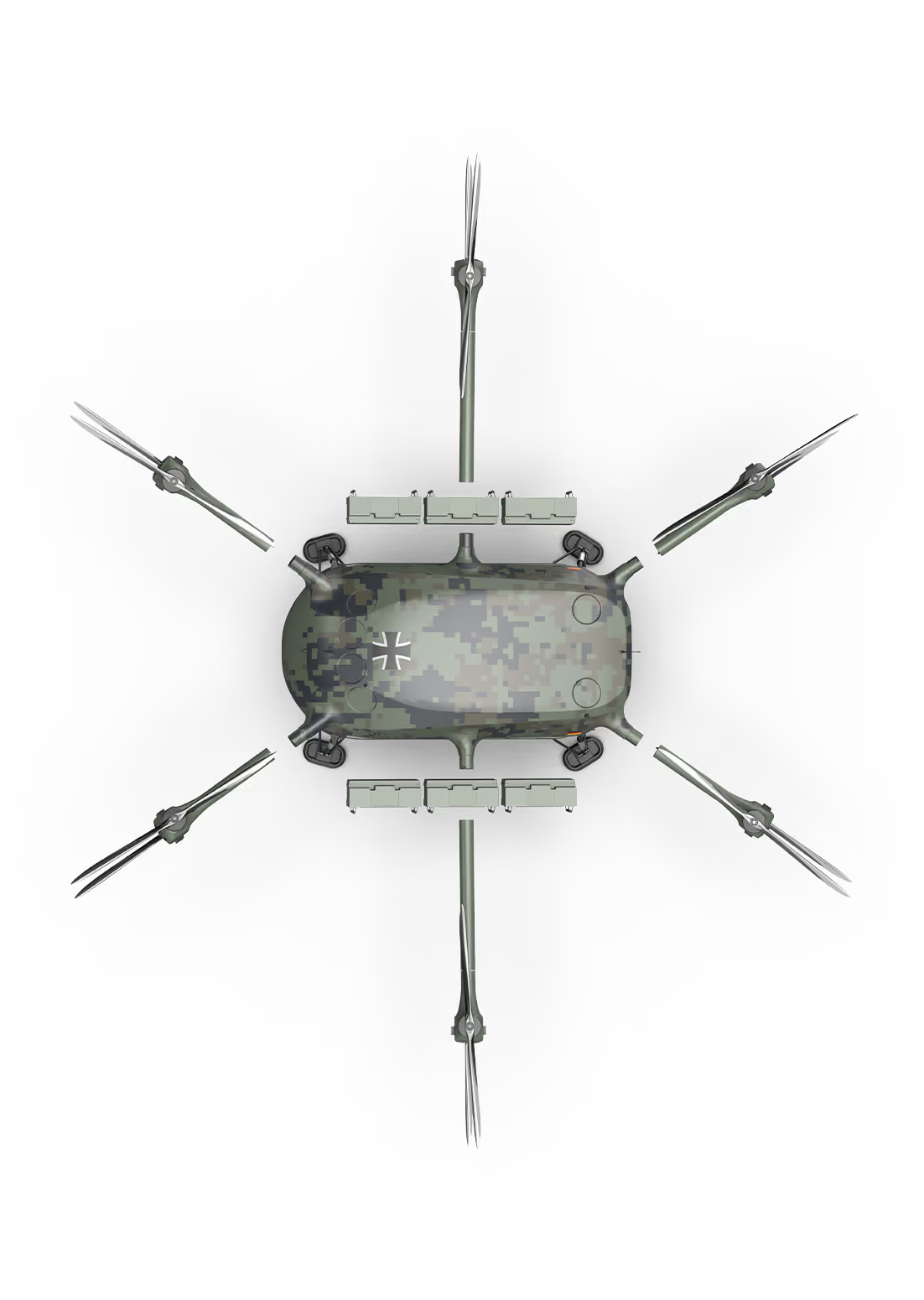
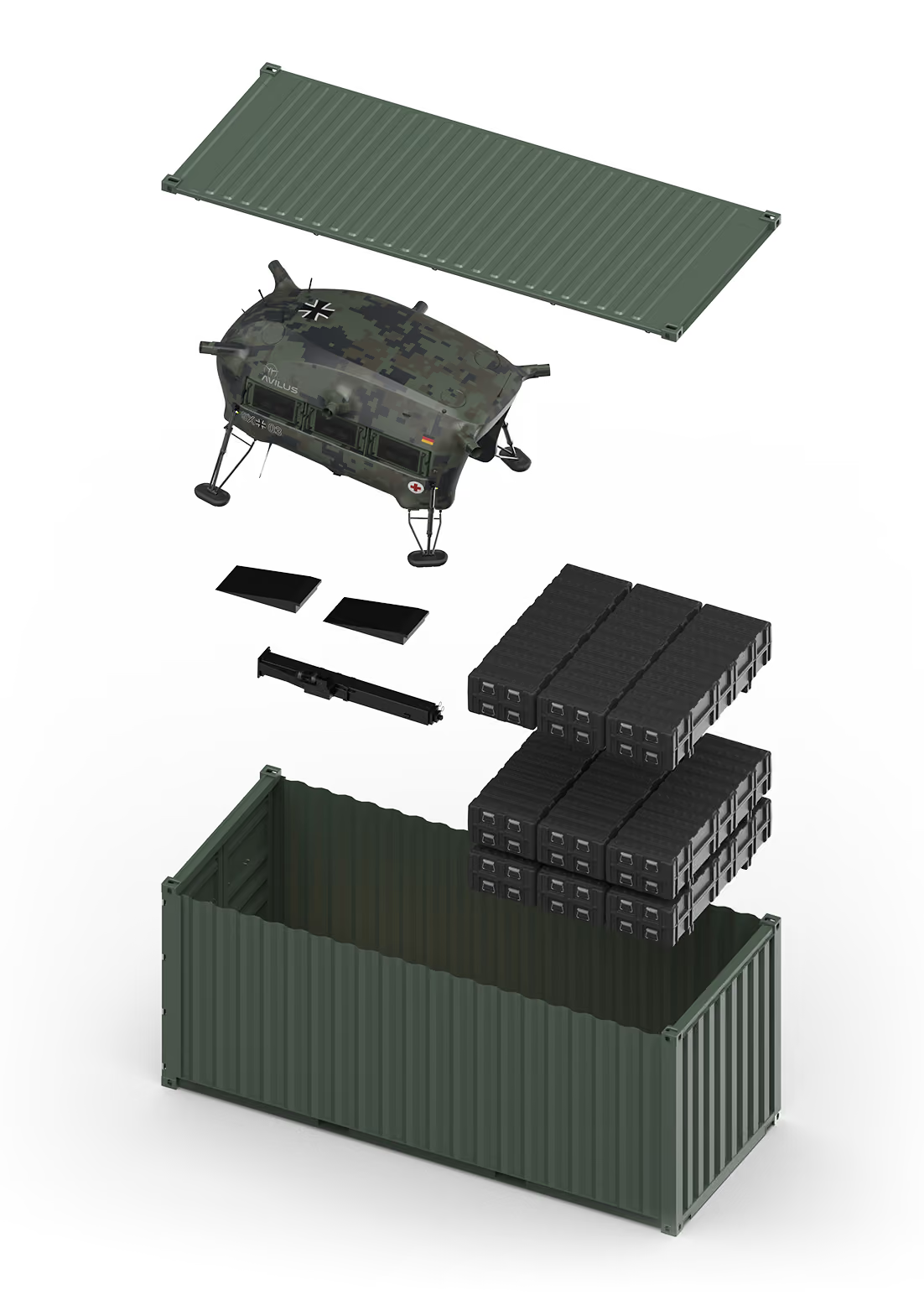
Compact by design. Grille and all essential spare parts fit into a single 20-ft ISO container for rapid transport and deployment.
Medical Cabin
Configurable cabin with first responder equipment, vital monitoring and remote medical support.

Operational Safety
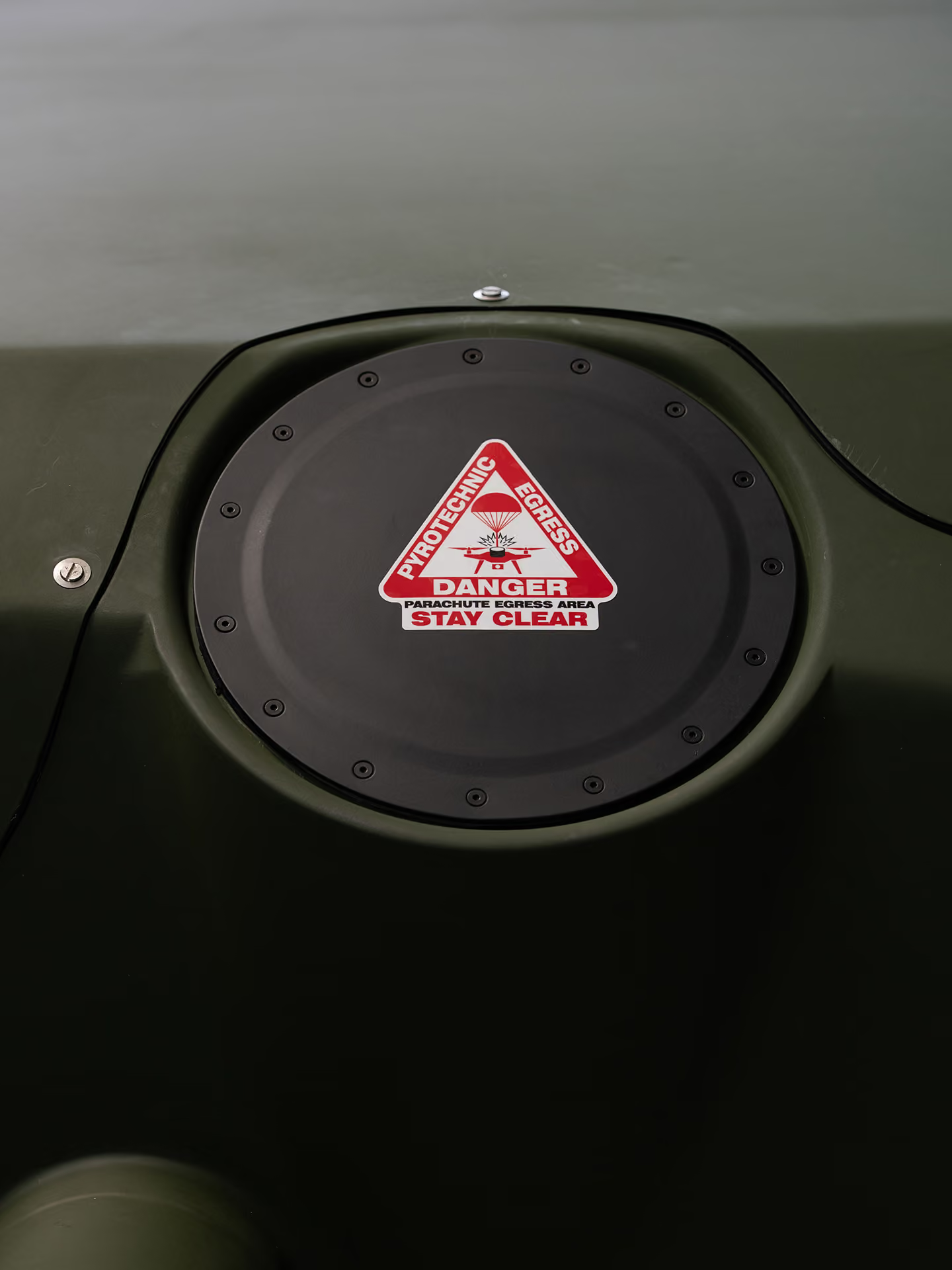
Redundant avionics, redundant propulsion and an integrated ballistic recovery system enhance operational safety.
Resilient Navigation
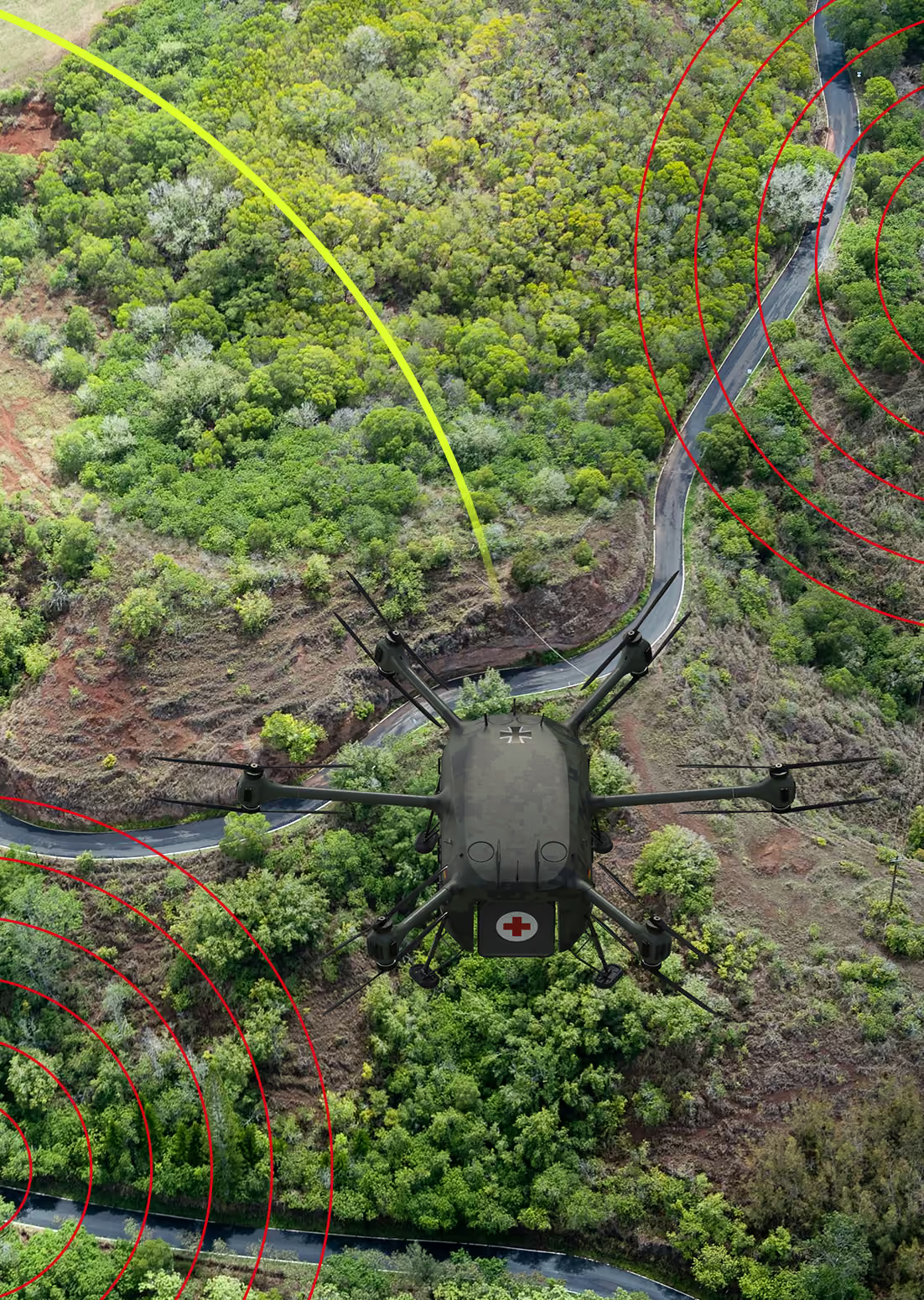
Fully autonomous flight powered by jamming-resistant navigation and an inertial reference unit (IRU) enables operation even in GNSS-denied environments.
RasCore

Technical Data
FAQ
Protection is achieved through intelligent mission planning rather than heavy armor. Terrain-adaptive flight, low-altitude routing and autonomous navigation reduce exposure, while integration with complementary assets enables safe mission execution in demanding environments.
Many medical professionals consider autonomous evacuation an ethical necessity when conventional transport is unavailable. In situations where delays or operational risks prevent immediate evacuation, autonomous systems can provide access to life-saving care while reducing the exposure of medical personnel.
Grille is designed to move patients quickly from the point of need to definitive medical care. Mission profiles range from forward evacuation and interfacility transfers to emergency transport whenever conventional evacuation is delayed, unavailable or unsafe.
The drone operates with a swappable battery set. While one set of batteries is in use, the spare set is charged in parallel. Upon landing, batteries are exchanged within one minute, allowing for immediate redeployment.
Yes. The modular payload bay supports mission-specific configurations, including medical cabins, logistics containers, sensors and other specialized payloads. This enables Grille to adapt quickly to changing operational requirements across defense, civil protection and humanitarian missions.
The uncrewed aircraft is equipped with inertial navigation, making it independent from GNSS or external signals. All missions are executed fully automatically, so no continuous C2 link is required.
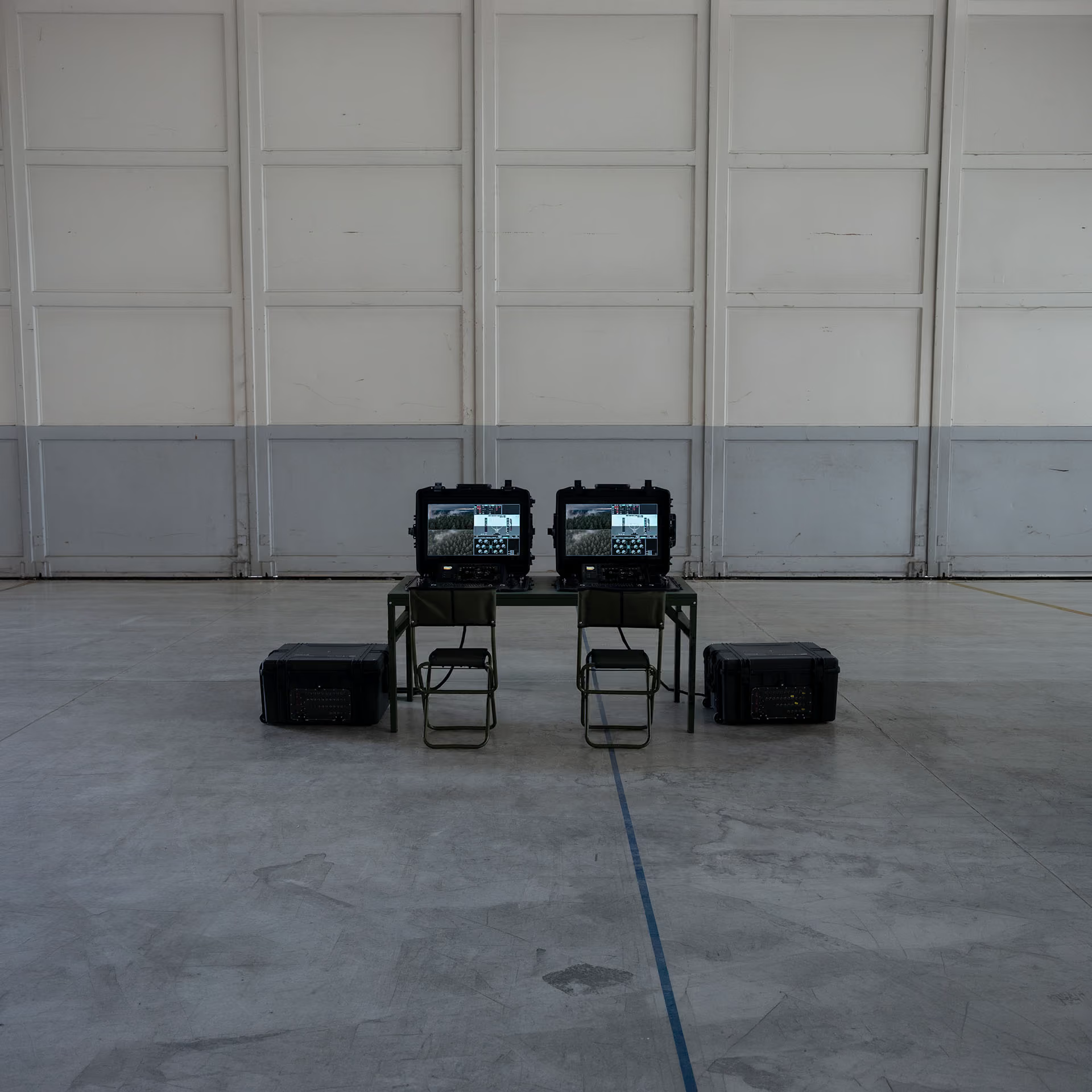
No. All flights are executed fully automatically and only require mission supervision. No direct piloting.
Yes. The uncrewed aircraft is designed for interoperability and can integrate with standard command and control systems through open interfaces and software integration. This enables coordinated operations across multinational forces and partner organizations.
Yes. The system is fully ITAR-free and uses components compliant with European export frameworks.
Yes. The uncrewed aircraft is designed for operations beyond military environments. Authorized under the EASA Specific Category, it can be deployed in civilian airspace where applicable and in accordance with the relevant regulatory framework.