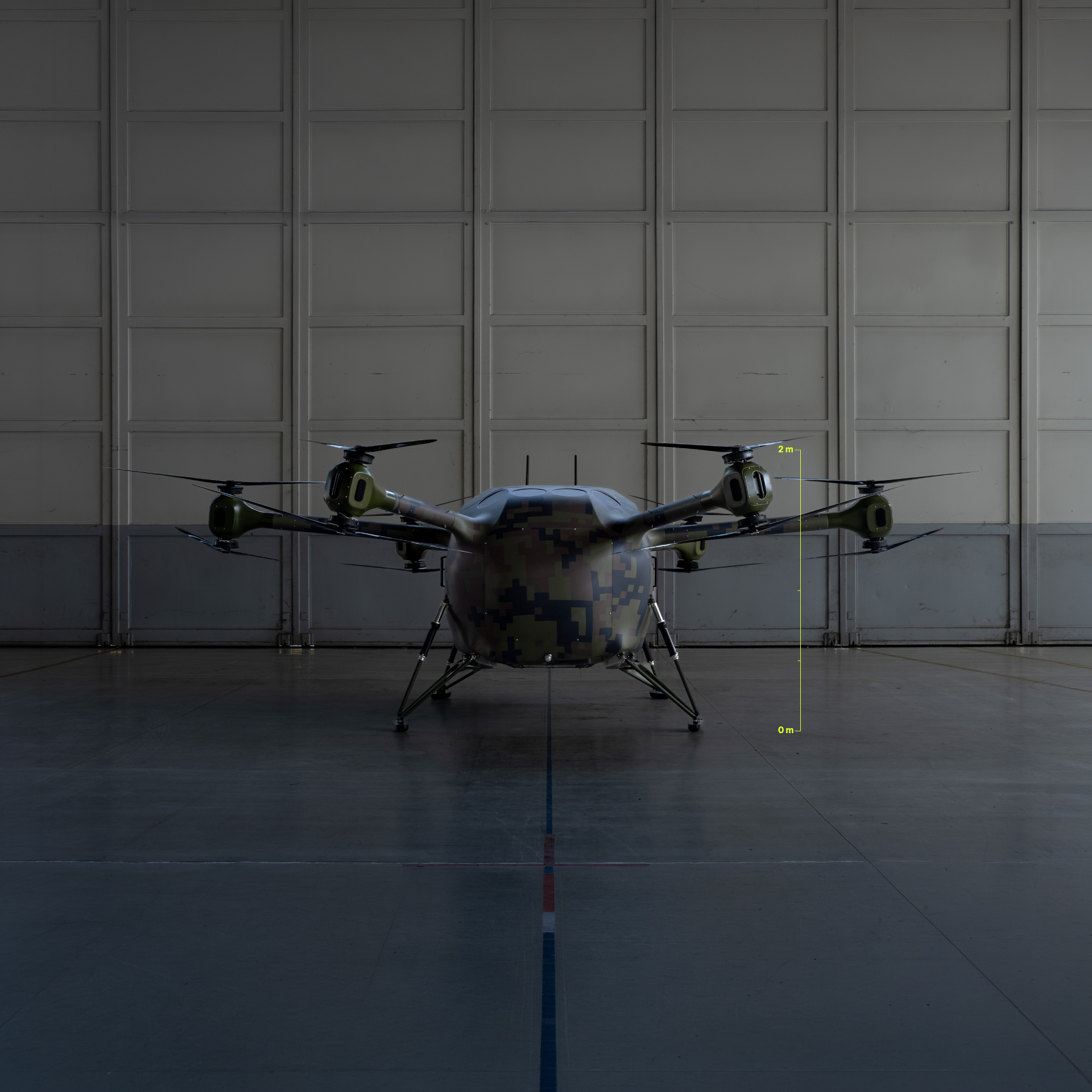
9Y - Wespe

Multi-Role. Cargo.

No two missions are alike. Wespe was developed as a multi-role unmanned aircraft capable of carrying mission-specific payloads wherever they are needed. From logistics and wildfire response to humanitarian relief, maritime operations and defense missions, it provides flexible capability across a wide range of operational scenarios.

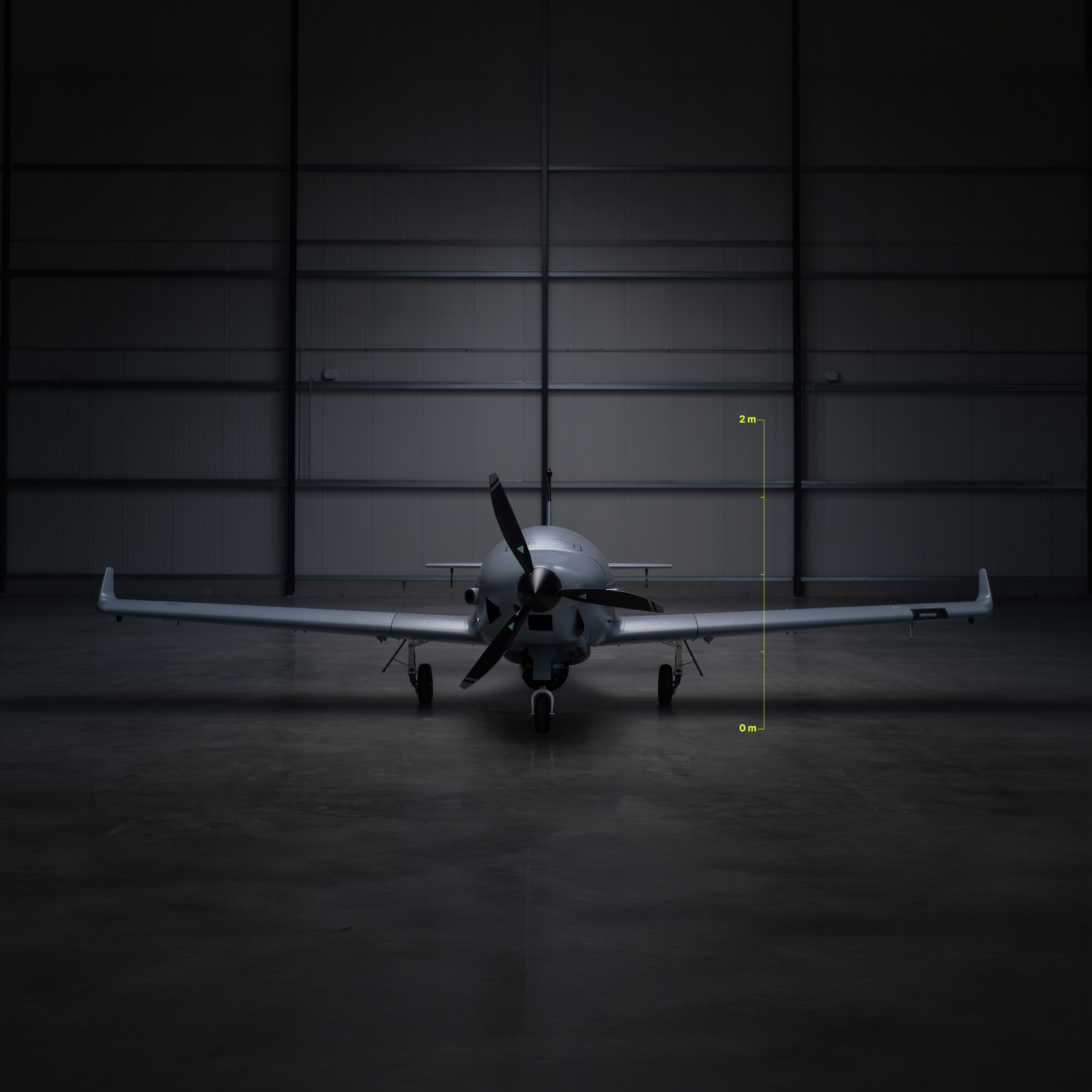
Front view of the grey Wespe drone with coaxial rotors and wheeled landing gear in a hangar.
Avilus Speedbag cargo module with part labelling mounted under the Wespe drone.
Side view of the camouflaged Wespe cargo drone carrying transport containers in a hangar.
Circular sensor window on the Wespe drone's camouflaged fuselage.
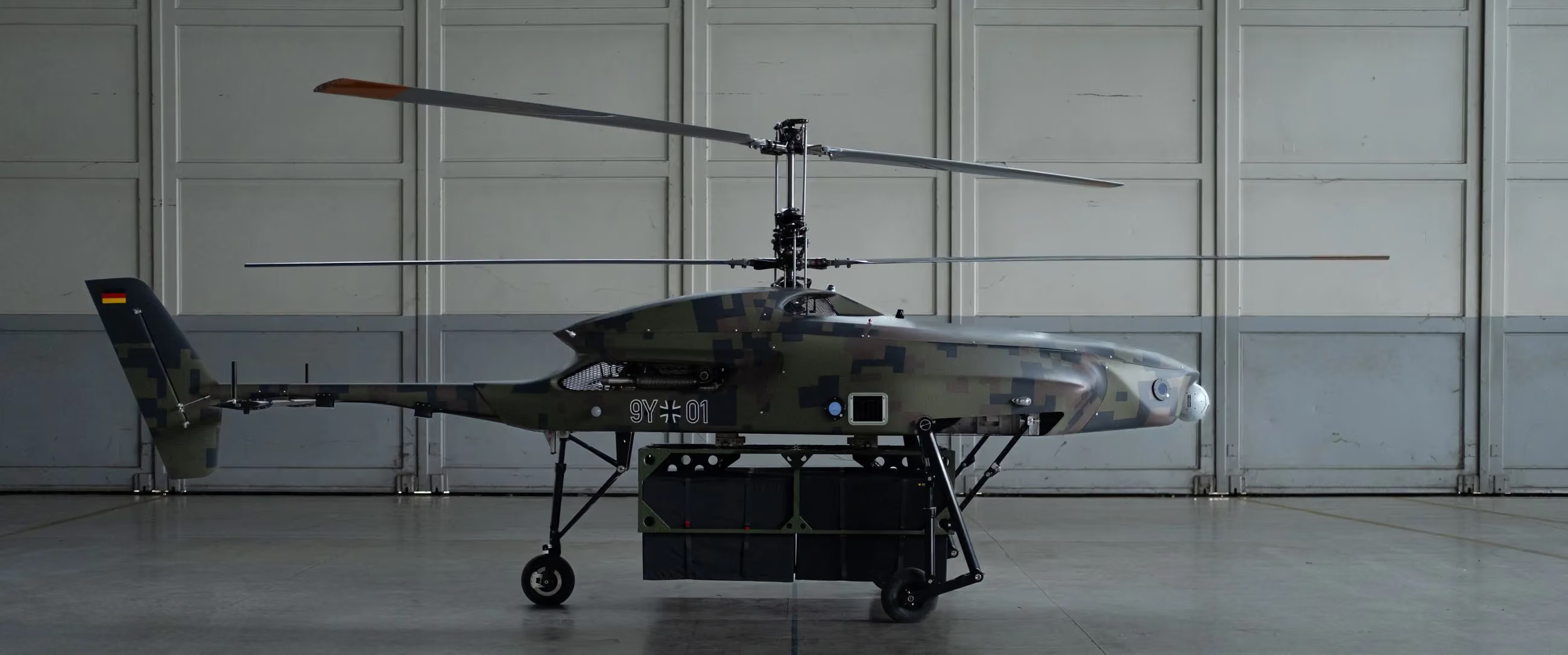
Side view of the Wespe 9Y-01 helicopter drone in camouflage livery with cargo boxes in a hangar.
Wheeled landing gear strut and mounted cargo container on the Wespe 9Y drone.
Front view of the grey Wespe drone with coaxial rotors carrying cargo containers.
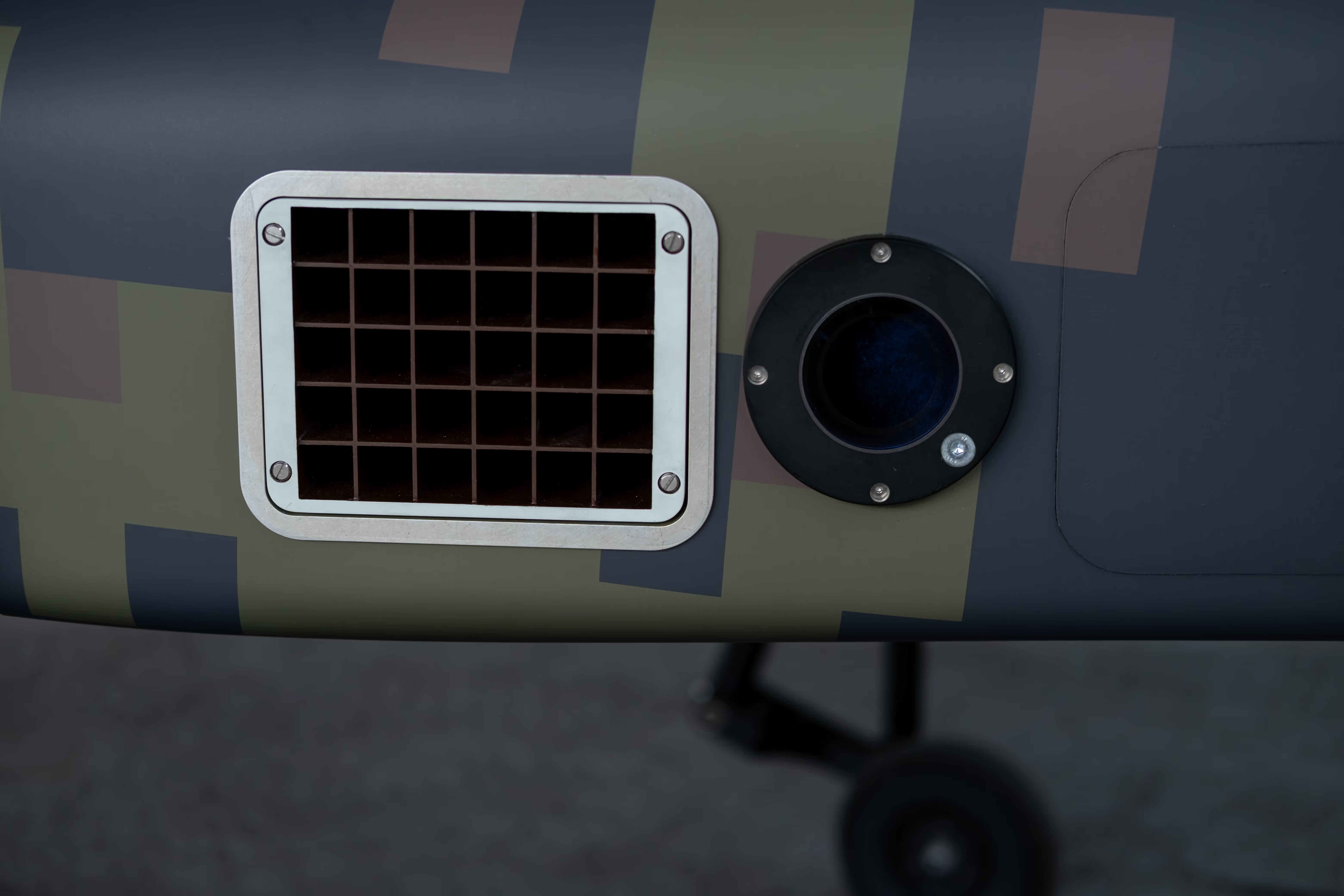
Cooling vent grille and sensor port on the Wespe drone's camouflaged fuselage.
No items found.

Use Cases

Wespe - Close Air Support

Operational Support

Mission-Specific Payload Integration.

Every mission demands different capabilities. Wespe carries mission-specific payloads ranging from sensors and communication equipment to firefighting, search-and-rescue or tactical support systems. Its modular architecture allows payloads to be rapidly integrated with the flight control system, enabling a single platform to adapt to changing operational requirements across defense, civil protection and humanitarian missions.

Wespe - Medical Evacuation

Medical Evacuation

Extended Uncrewed Evacuation.

Critical care extends beyond the point of injury. While Grille provides rapid forward evacuation from the point of need, Wespe extends the evacuation chain by autonomously transporting stabilized patients over longer distances between medical facilities or across dispersed operational areas. Together, they provide scalable medical evacuation whenever conventional transport is unavailable, constrained or operationally restricted.

Wespe - Tactical Airlift

Autonomous Cargo

Mid-Range Autonomous Logistics.

Operational success depends on resilient supply chains. When roads are inaccessible, helicopters are unavailable or conventional transport becomes too slow, critical supplies must still reach the point of need. Wespe provides autonomous mid-range logistics with greater payload capacity and mission flexibility, connecting logistics hubs with forward operating locations across defense, civil protection and humanitarian operations.

Features

Compact Footprint

Retractable landing gear reduces height for storage in standard containers.

Wespe – Compact Footprint

Mission Equipment

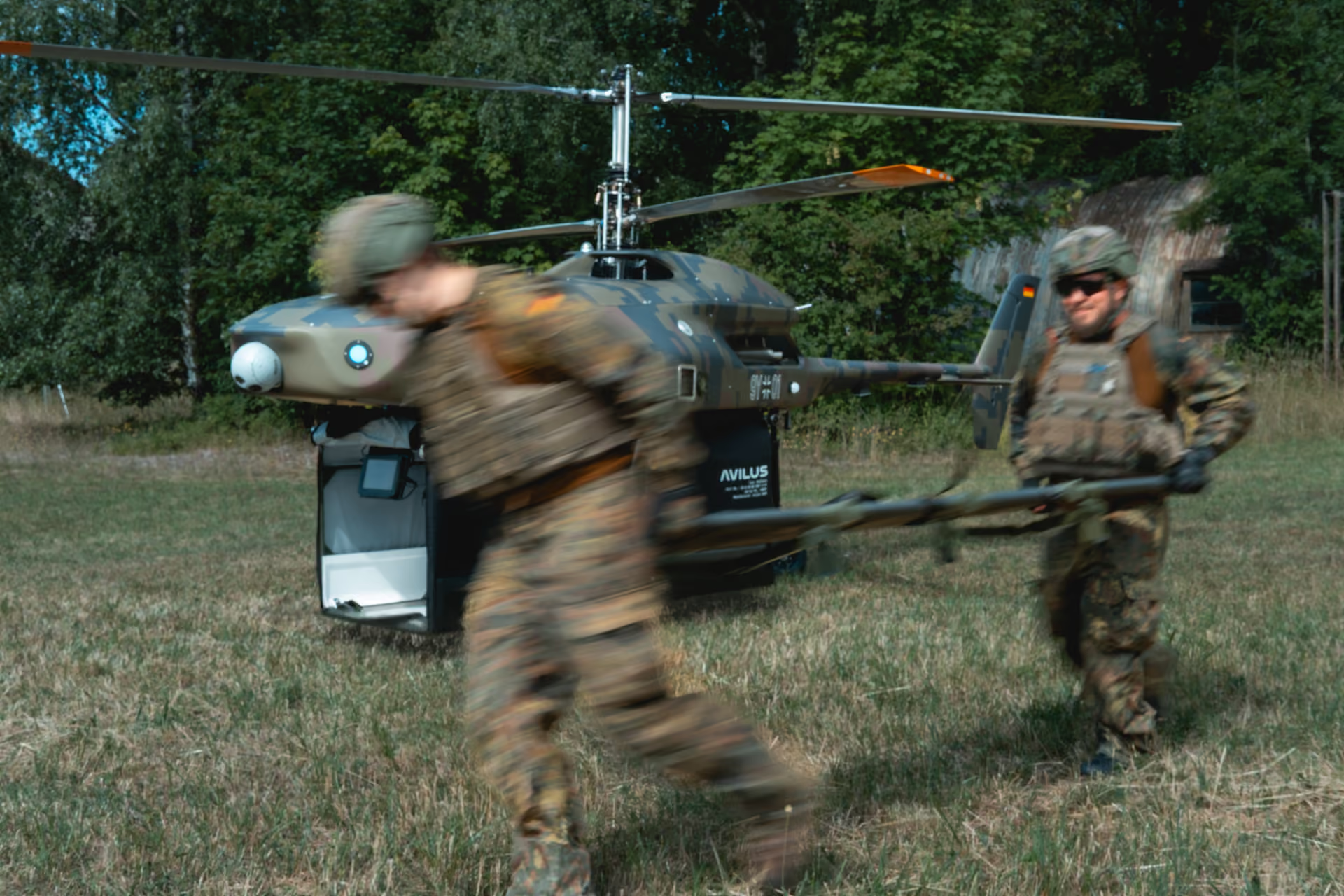
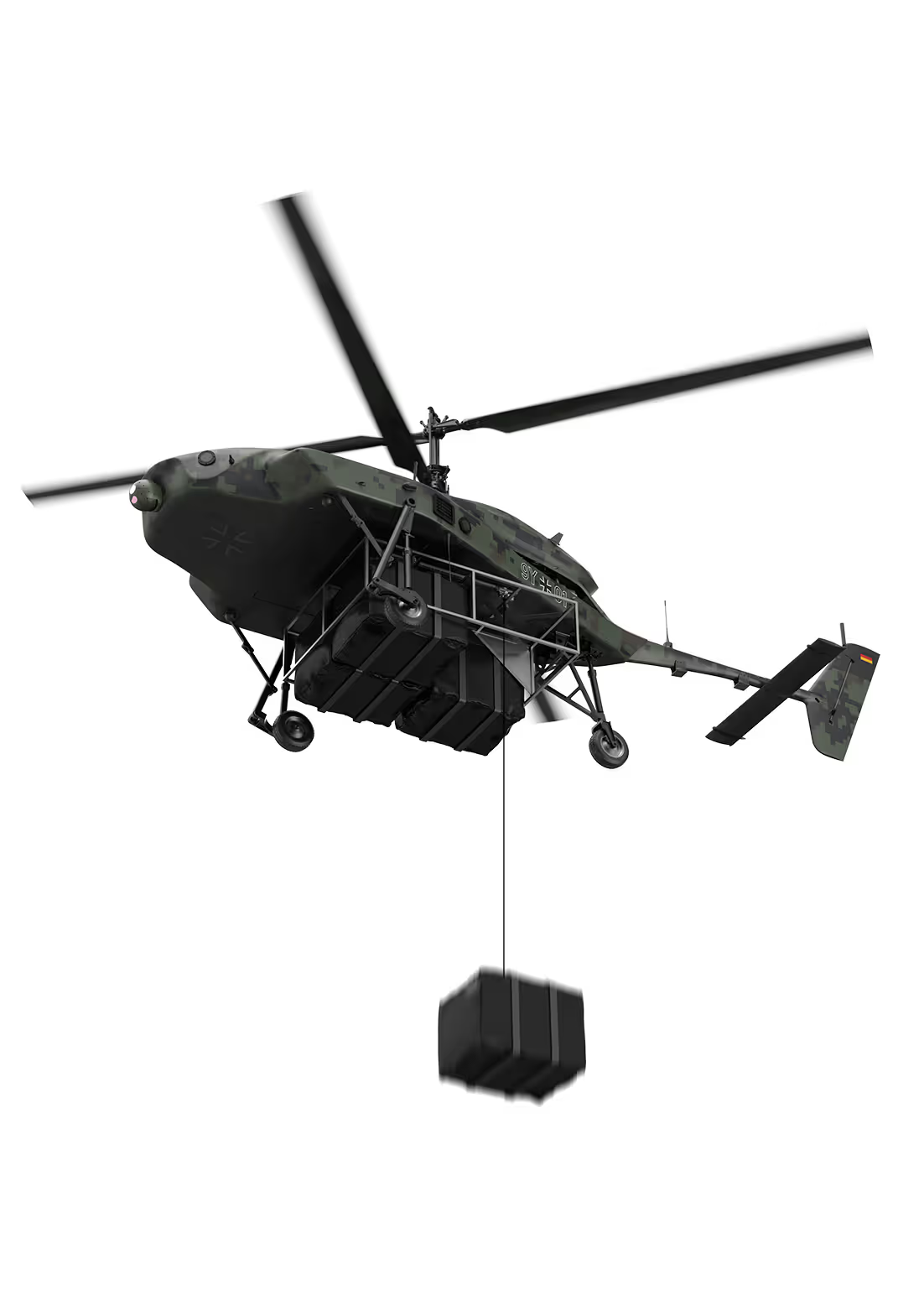
Speedbags are attached via rope brakes and air-dropped at the resupply point.
Wespe – Mission Equipment

Flexible Payload Capabilities

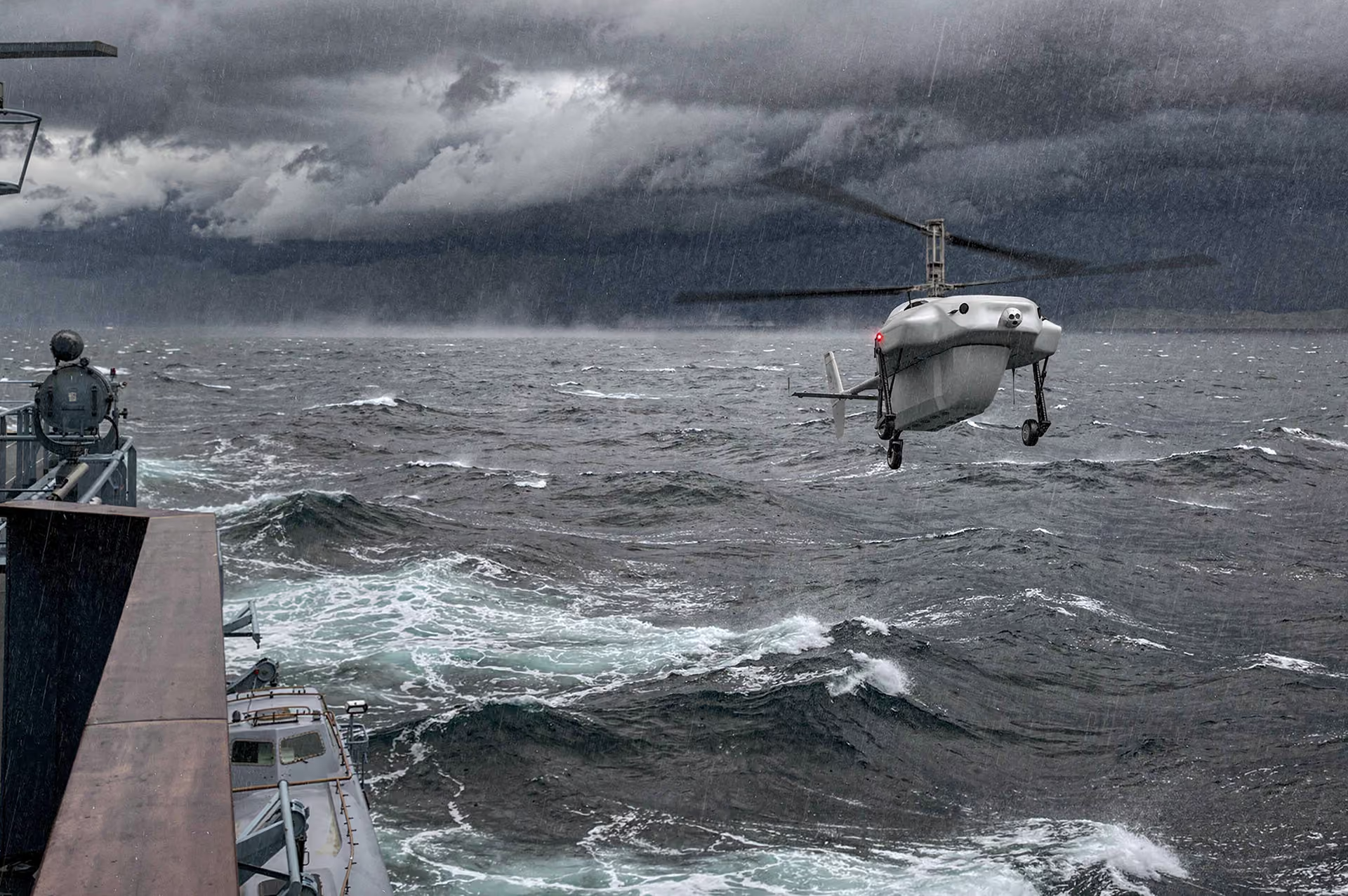
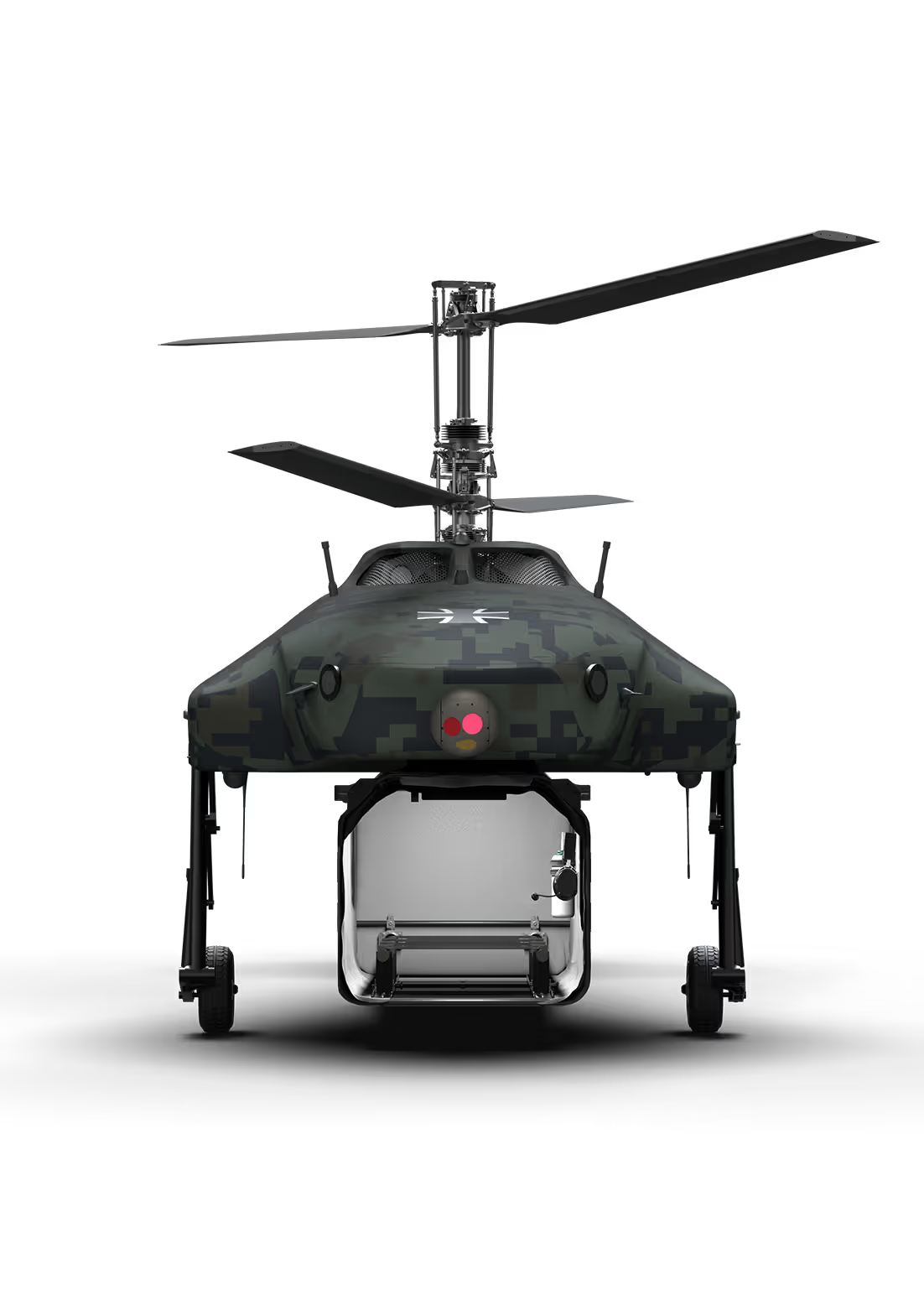
Tailored to the mission: an electro-optical system for situational awareness, a swappable medical cabin for naval medevac, and speedbags for rapid air-dropped support.
Wespe – Flexible Payload Capabilities

Active Self-Protection

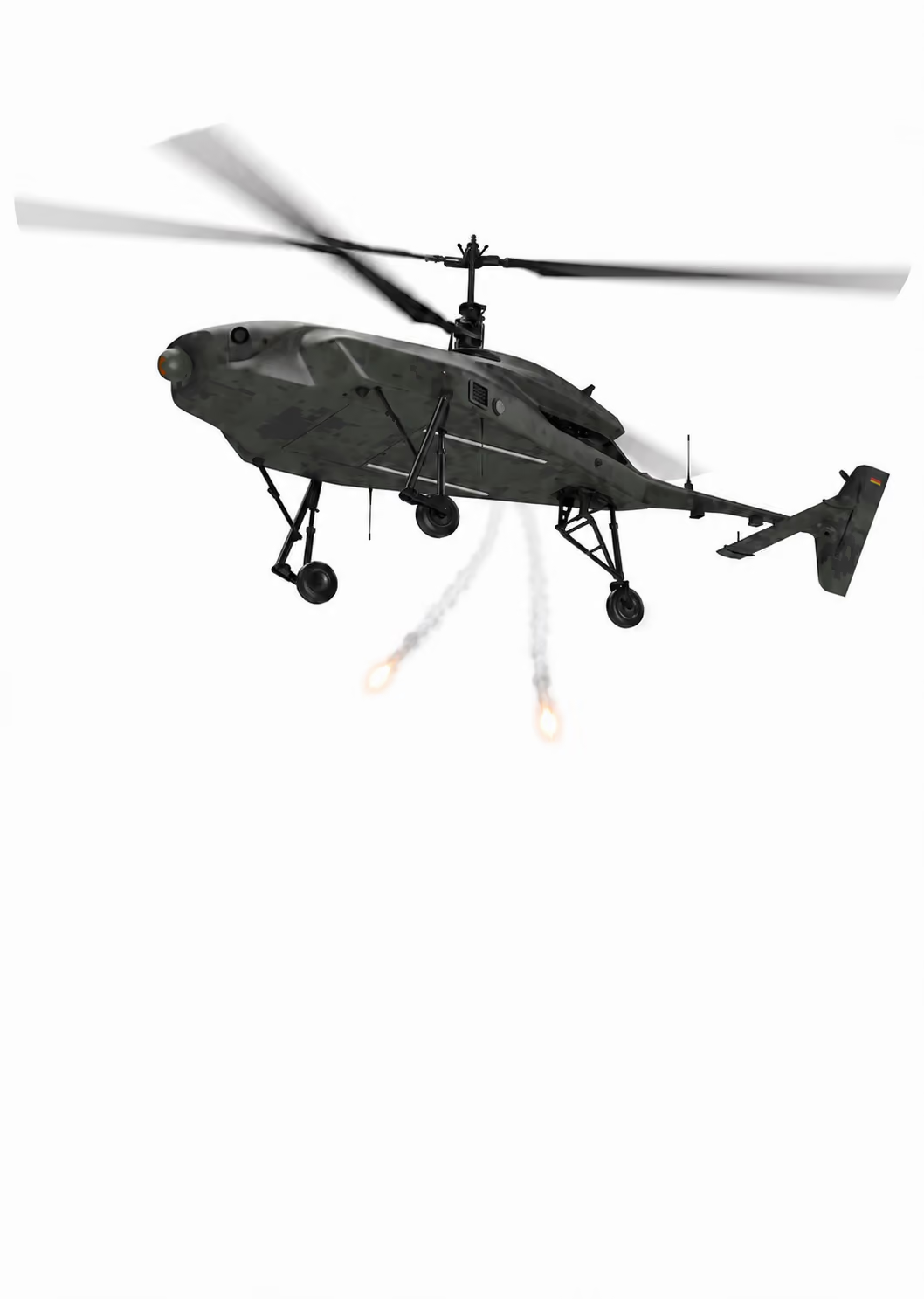
Optional flare-based countermeasure system increases survivability in contested airspace.
Wespe – Active Self-Protection

Operational Safety

Redundancies in avionics and auto rotation capability provides an extra layer of safety in emergency situations.

Wespe – Operational Safety

Resilient Navigation

Autonomous flight with inertial navigation — GNSS-independent and jamming-resistant.

Wespe – Resilient Navigation

RasCore Ground

Modular Operation
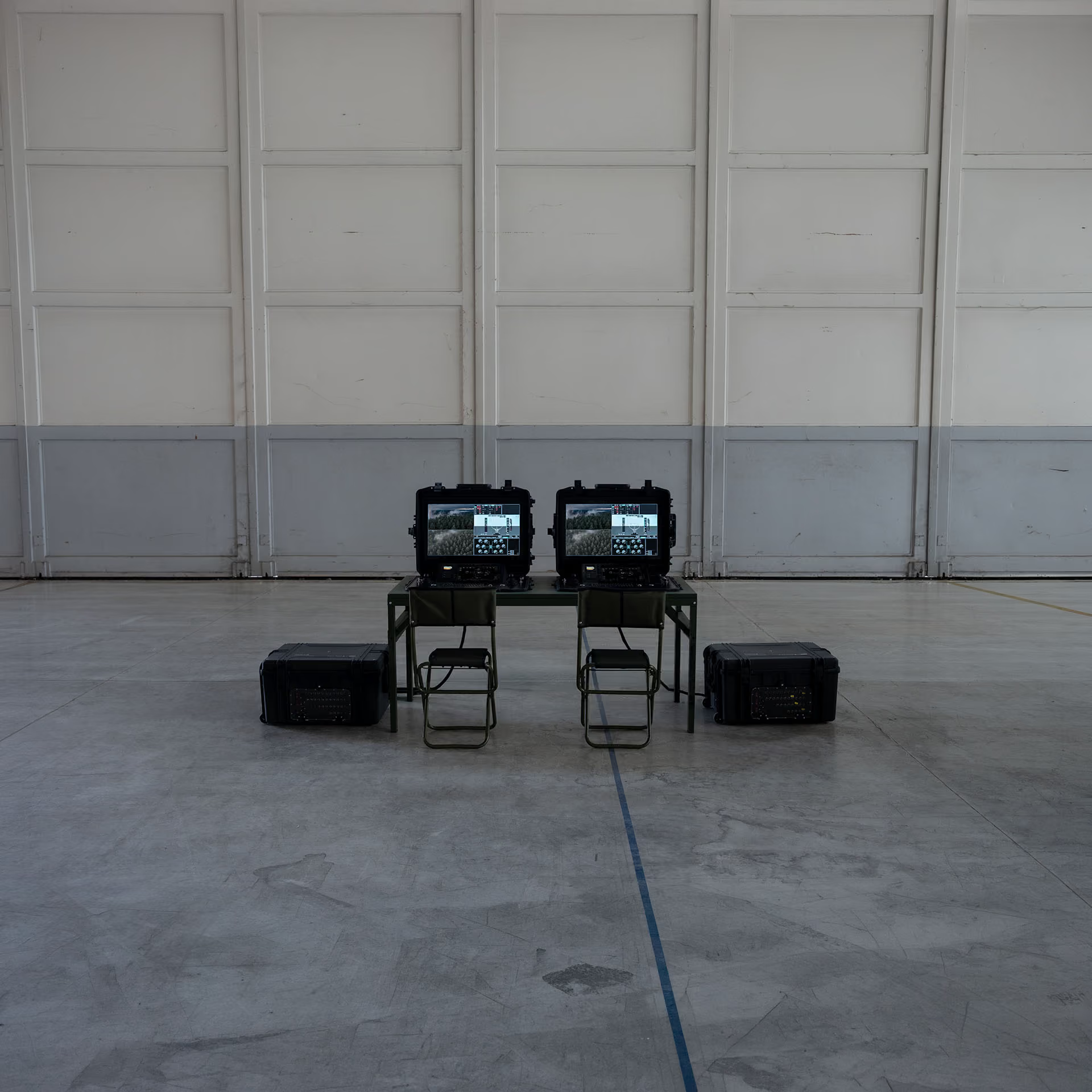
Configurable operator roles for mission command, medical support and payload control tailored to operational requirements.
Mobile Deployment
Ruggedized, man-portable case system deployable across vehicles, command posts or mobile operations.
Mission Integration
Fully integrated with standard battle management systems for seamless access to live operational data.
Force Multiplication
High levels of automation enable two operators to manage and monitor multiple concurrent missions.
Modular Operation
Configurable operator roles for mission command, medical support and payload control tailored to operational requirements.
Mobile Deployment
Ruggedized, man-portable case system deployable across vehicles, command posts or mobile operations.
Mission Integration
Fully integrated with standard battle management systems for seamless access to live operational data.
Force Multiplication
High levels of automation enable two operators to manage and monitor multiple concurrent missions.

Technical Data

Enclosing Diameter
7.2 m (23.6 ft)
Rotor Diameter
6.5 m (21 ft)
Packing Size
20 ft ISO-Container
Cruise Speed
120 km/h (67.5 kts)
Service Ceiling
5500 m (18045 ft)
Max. Range
650 km (351 NM)
Engine Power
180 kW (245 hp)
Engine
Turbine
Total Payload
350 kg (772 lb)
Max. Take-Off Weight
980 kg (2160 lb)
Fuel Consumption
29 l/h (7.7 gal./h)
Safety
Multi-layer fail-safe system design
Flight Control
Dissimilar primary and secondary system
Navigation
Satellite and inertial navigation
Data Links
Multiple LOS and BLOS links
Ground Control
Mobile-duplex GCS, vehicle integratable
Battle Management
Integrated for planning, dispatching and monitoring
Self Protection
Hensoldt AMPS
Optics
Hensoldt ARGOS

FAQ

Wespe

The preferred defense strategy is low-altitude flight combined with terrain-following and tactical routing to avoid exposure. Provided an optional active flare system was integrated upon request, it could be optionally configured for Hostile Fire Indication (HFI) for additional threat alerting to improve tactical maneuvering.

Wespe

Many medical professionals consider autonomous evacuation an ethical necessity when conventional transport is unavailable. In situations where delays or operational risks prevent immediate evacuation, autonomous systems can provide access to life-saving care while reducing the exposure of medical personnel.

Wespe

Yes. The platform supports modular payloads within standard weight and balance limits. Medical cabins, speedbags, sensors, and other mission-specific equipment can be integrated.

General

The unmanned aircraft is equipped with inertial navigation, making it independent from GNSS or external signals. All missions are executed fully automatically, so no continuous C2 link is required.

General

No. All flights are executed fully automatically and only require mission supervision. No direct piloting.

General

Yes. The unmanned aircraft is designed for interoperability and can integrate with standard command and control systems through open interfaces and software integration. This enables coordinated operations across multinational forces and partner organizations.

General

Yes. The system is fully ITAR-free and uses components compliant with European export frameworks.

General

Yes. The unmanned aircraft is designed for operations beyond military environments. Authorized under the EASA Specific Category, it can be deployed in civilian airspace where applicable and in accordance with the relevant regulatory framework.
Discover a New Class of Unmanned Aircraft