RasCore
One System. Any Mission.
In the air and on the ground, RasCore powers every mission of Avilus. The same flight avionics is integrated in all our uncrewed aircraft - and all of them connect to the same ground control system. Therewith, RasCore forms the backbone of our entire ecosystem. From flight control and navigation to mission management and operator supervision, RasCore complies with EASA regulations for safe, reliable and highly automated mission execution across defense and civilian environments.
Mission Computers
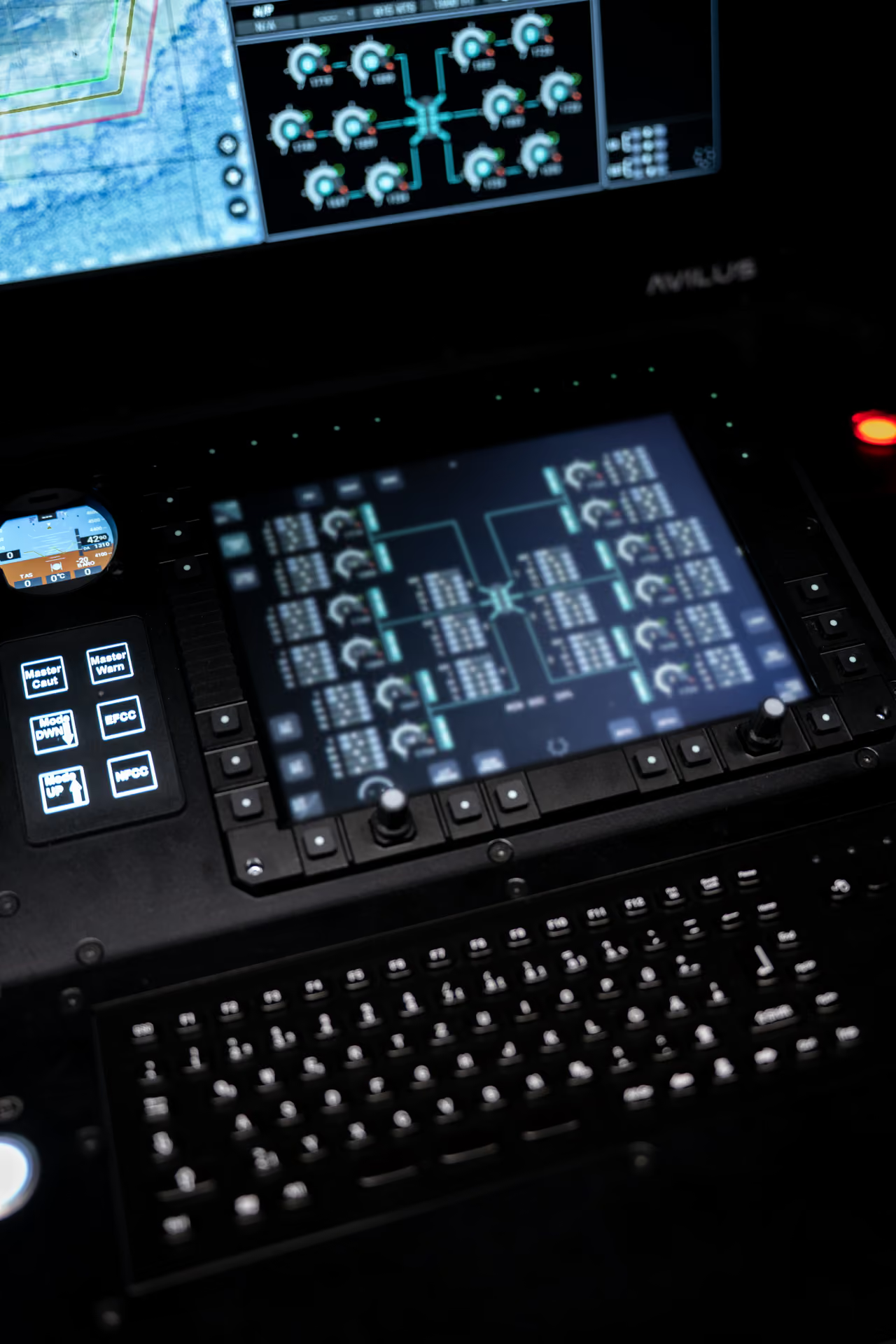
A dedicated mission computer per pilot station. Hosting battle management integration on one side, and payload control on the other
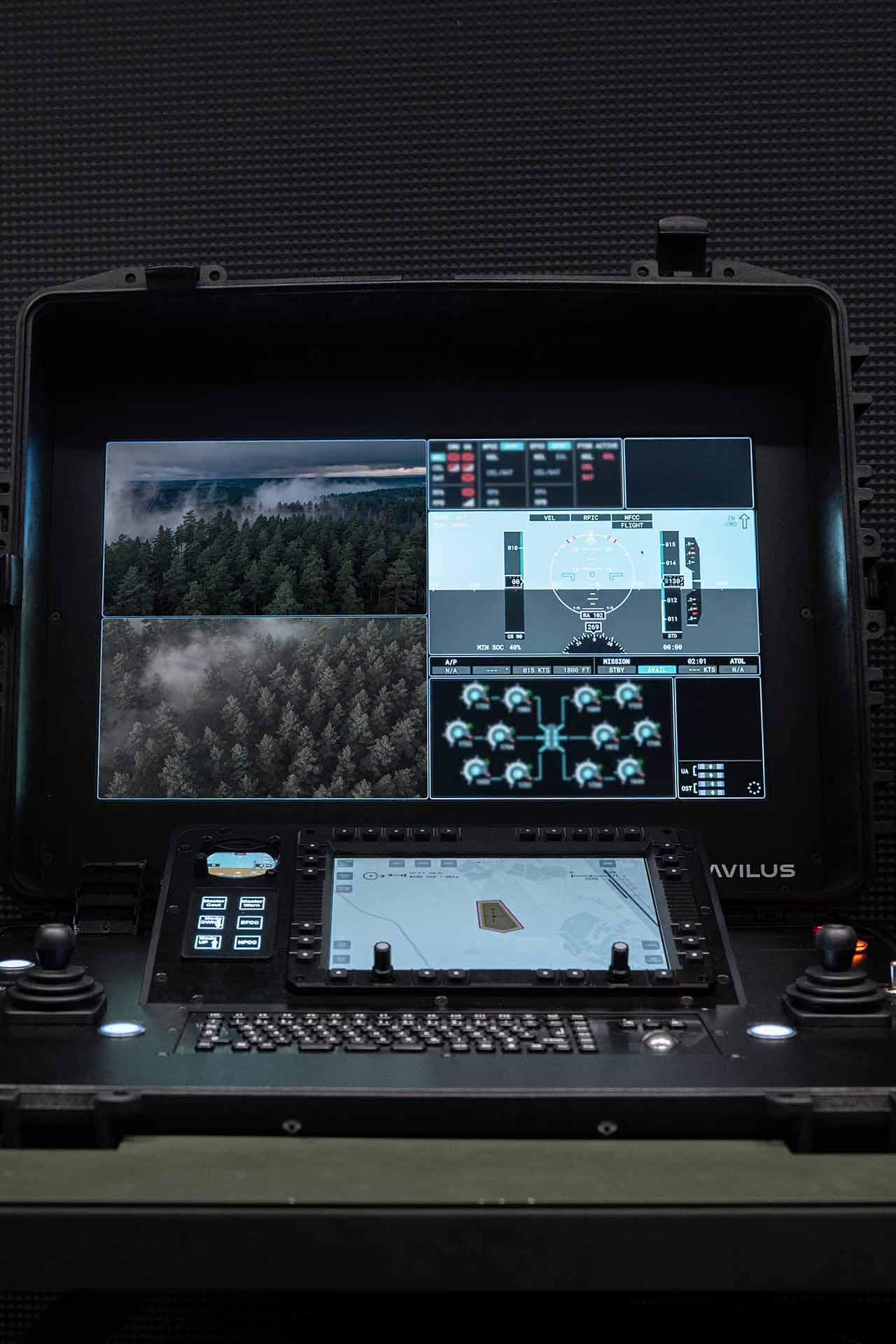
Emergency Instruments
Each pilot station includes independent backup instruments, ensuring basic control and monitoring even in display failure scenarios

Redundant by Design
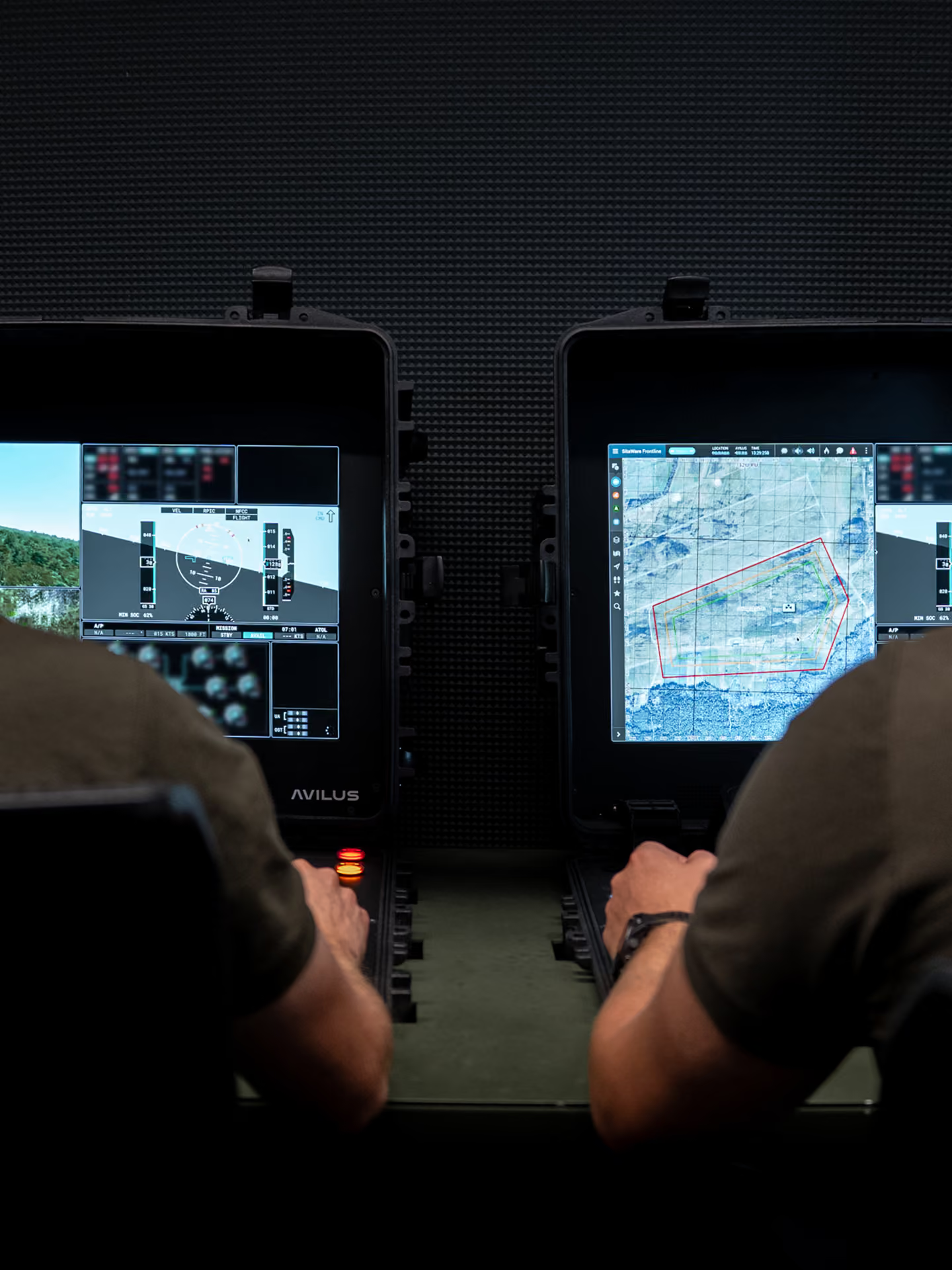
The two stations are coupled via internal link: if one fails, the other maintains full control. No single point of failure.
Compact Footprint
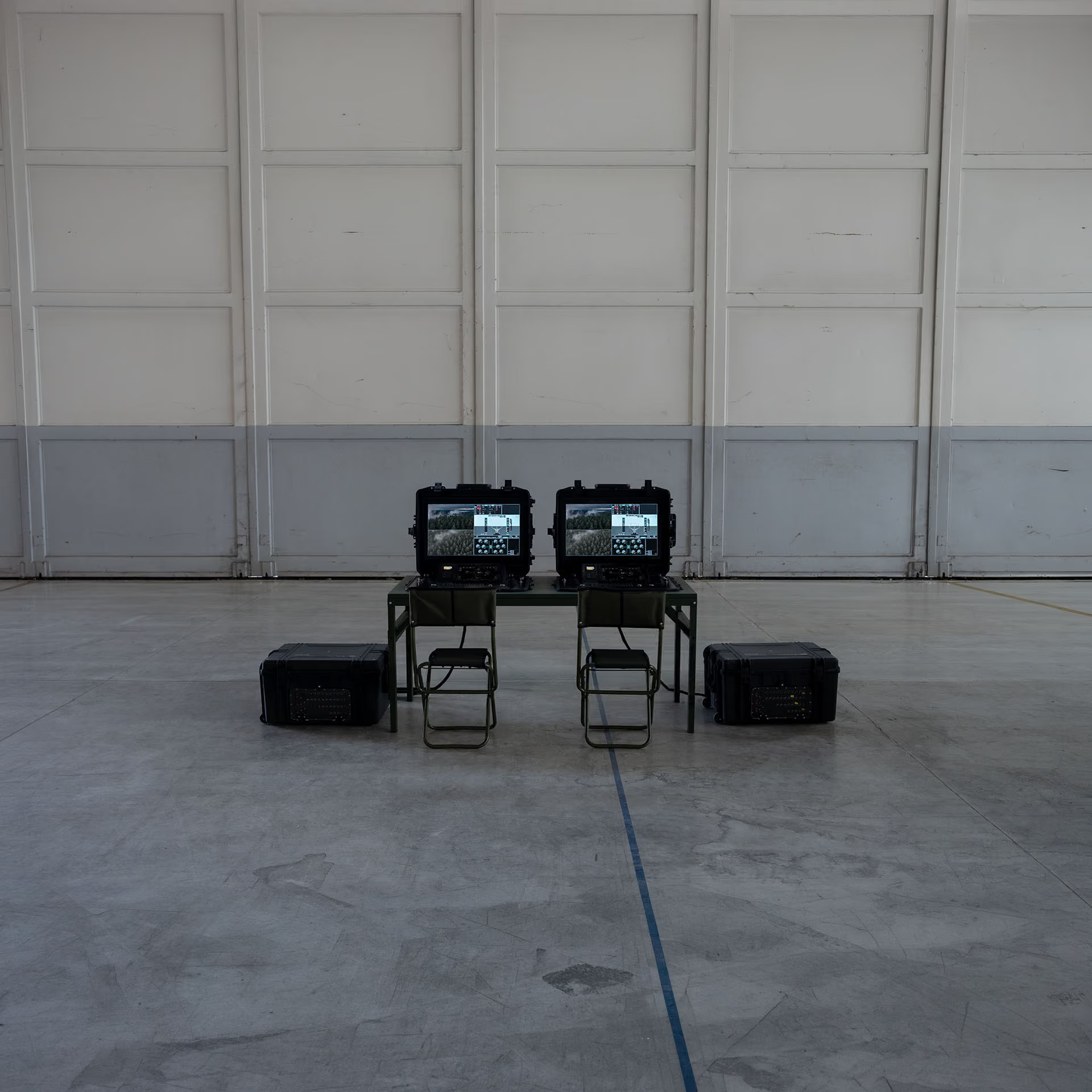
Four modular cases form two Remote Pilot Stations (RPS). All transportable in a single container. Deploy anyhere, from vehicles to ships.

Avionics Computers
Each pilot station contains a real-time avionics core with the same redundancy and safety standards as our airborne systems
Parallel Missions
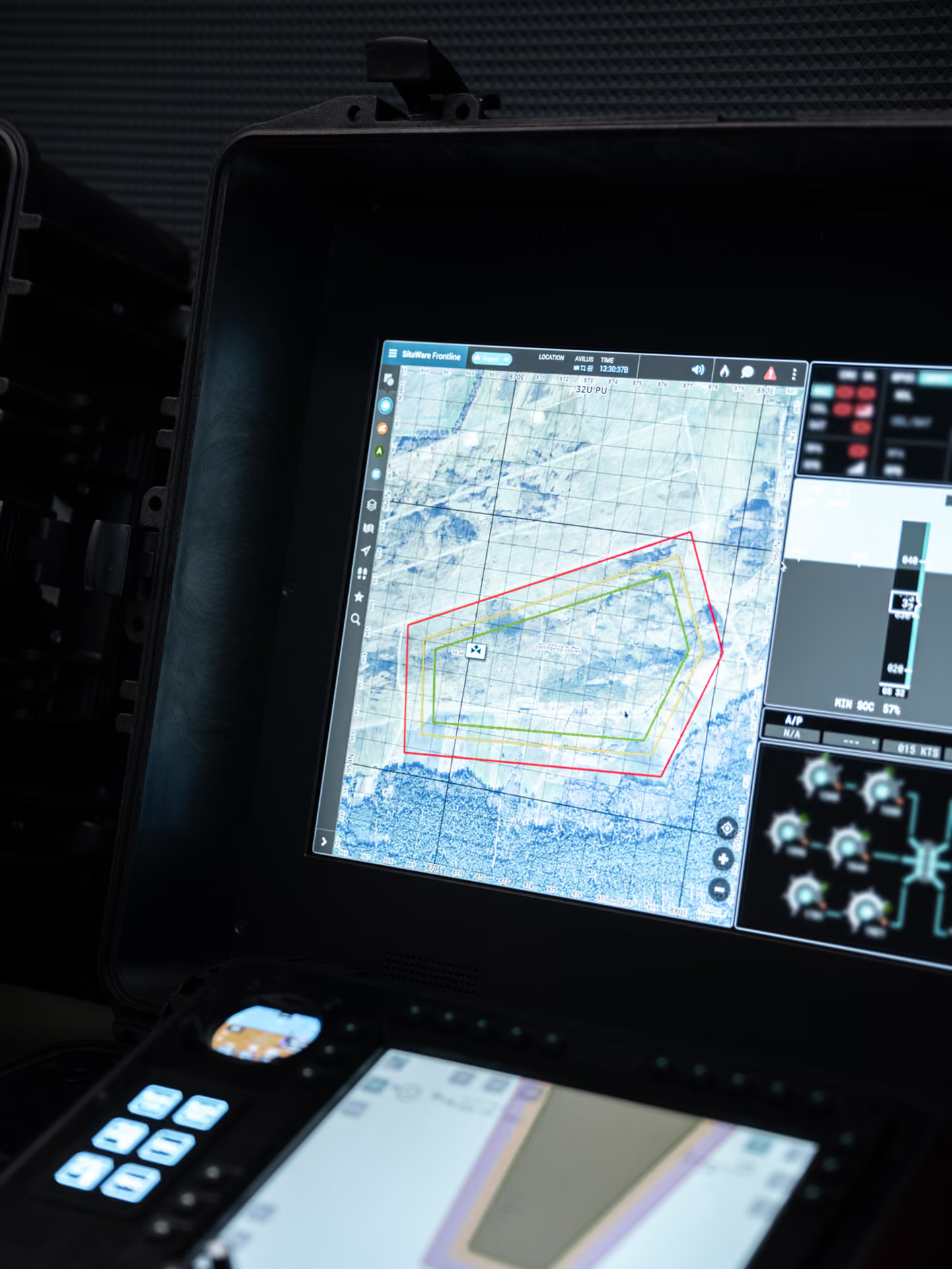
Full control via the battle management system (BMS). Dispatching is the standard operating procedure (SOP)

Battle Management System Integration
RasCore Ground integrates aircraft and mission data into a common operational picture, supporting coordinated decisions across command levels.
Technical Data
RasCore Air
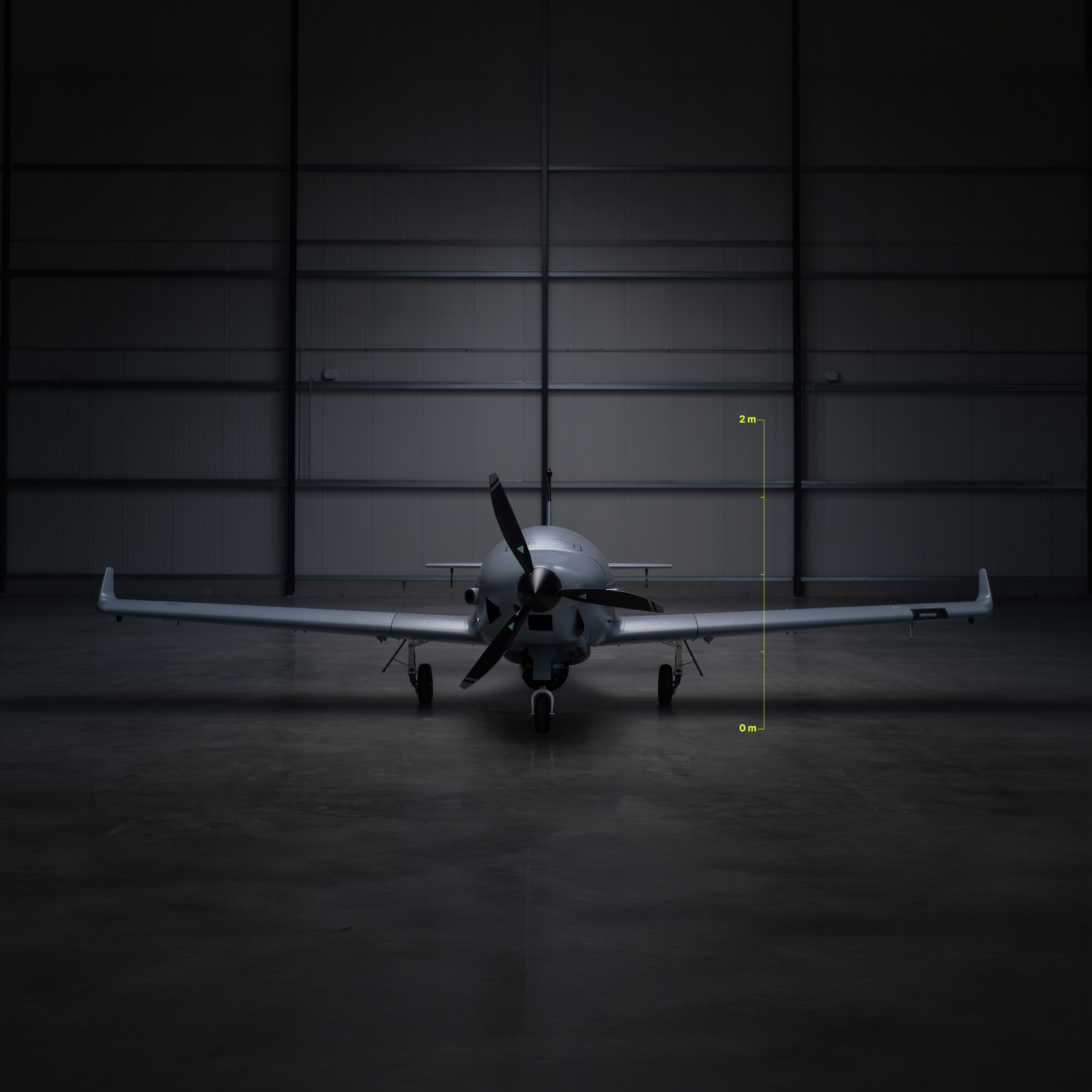
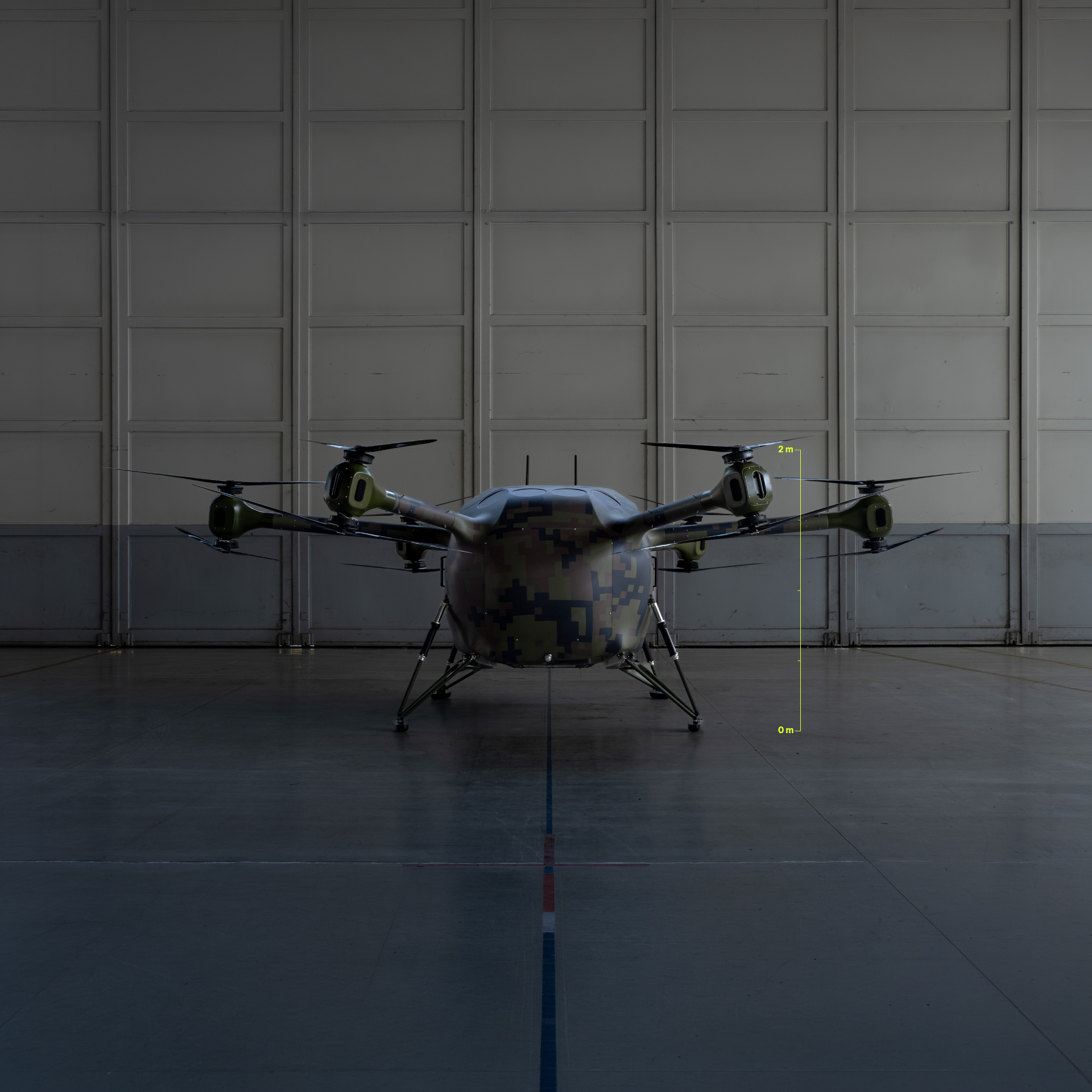
Three Aircraft. One Brain.
Powering a new class of uncrewed aircraft. RasCore Air is the airborne brain of our uncrewed systems. It combines flight control, monitoring, navigation, communication and transponders in a fully redundant architecture designed for contested and civilian environments. Built to military-grade standards, interoperable with battle management systems (BMS) and compliant with EASA Specific Category regulations, RasCore Air ensures safe mission execution even in GNSS-denied or communication-degraded scenarios.
Flight Control & Safety
Primary and secondary flight control, autonomy and independent monitoring systems run on dissimilar hardware to provide redundancy, flight-envelope protection and emergency response.
Navigation & Precision Landing
A military-grade inertial reference unit, multi-constellation GNSS, lidar and radar support accurate navigation and precision landing in confined or maritime environments.
Communication
Multiple line-of-sight and beyond-line-of-sight links, including SATCOM, maintain connectivity across different operational ranges and mission profiles.
Military Interfaces
A flexible plugin architecture and standard data interfaces enable integration with NATO-compatible battle management systems.
FAQ
RasCore is built on a system architecture designed for EASA compliance in medium to high-risk operations. It uses dissimilar redundancy across independent flight control lanes, employs components developed to design assurance levels (DAL), and integrates tightly with diverse data links, transponders, military networks, and inertial navigation for GNSS-independent operation. RasCore is not just a flight controller. It is a modular avionics system for operations in both civil and contested airspace.
Yes. The architecture supports multiple topologies and is integrated in Grille, Wespe and Bussard.
RasCore complies with EASA regulations under the Specific Category, enabling operations in civilian airspace where applicable.
Absolutely. The system is open and modular allowing e.g., the integration of customer satcom modems, payload controls, and third-party sensors.
All communication links are encrypted end-to-end. RasCore implements strict separation between flight-critical and payload domains to prevent cross-domain interference.
The uncrewed aircraft is equipped with inertial navigation, making it independent from GNSS or external signals. All missions are executed fully automatically, so no continuous C2 link is required.
No. All flights are executed fully automatically and only require mission supervision. No direct piloting.
Yes. The uncrewed aircraft is designed for interoperability and can integrate with standard command and control systems through open interfaces and software integration. This enables coordinated operations across multinational forces and partner organizations.
Yes. The system is fully ITAR-free and uses components compliant with European export frameworks.
Yes. The uncrewed aircraft is designed for operations beyond military environments. Authorized under the EASA Specific Category, it can be deployed in civilian airspace where applicable and in accordance with the relevant regulatory framework.